
What we were certain would work rarely did. What we were certain wouldn’t, usually did. Fifteen years of being wrong in the same direction taught us the only thing we’re sure of now — the market decides what works, not us. So we stopped guessing and started building close enough to hear it decide.
For most of the last decade we were the agency. By 2022 the height of the consultancy turned over $27k in 1 month and it worked — winning clients wasn’t hard, and getting them results wasn’t either. That was never the part that broke.
What broke was everything wrapped around the work. Every client arrived with genuinely different problems, which meant there was no process you could copy from one engagement to the next. We could have built one anyway — standardised it, applied the same playbook to everybody, delivered results that were fine. Plenty of firms do exactly that. We weren’t willing to, and the hours it took to do it properly instead were hours nobody was really paying for.
The work was never the problem. The model wrapped around the work was.
So we changed what we sell. Products now, with selective short engagements alongside them — enough client work to stay honest, not so much that it eats the building. The consultancy funds the products and the products prove the consultancy, which is a tidier sentence than it felt like at the time.
A self-development business. It reached 40,000 sessions a month and an email list of two thousand — which, we’d learn later, is a traffic result rather than an audience one.
Landing page done, payments connected, one button from launch. We shut it instead and went to monetise what building it had taught us. Grow Hack Scale started that year.
Years before we decided to be a products business, we were quietly building products. Nobody asked for it. It’s still here.
Three more years of building products while still calling ourselves a consultancy. Both ran until 2022, and both quietly made the case for what came next.
At the consultancy’s peak, and largely because of it.
Career management and employment advisory for people working anywhere. Thirty thousand members later it pays for itself — the first venture here to stop needing the consultancy at all.
One media platform started; another shut in the same year. We were excited about VibeMakers and simply didn’t have the time, so we let the domains lapse rather than run it badly. Still a good idea. We may come back to it.
A rename and a change of mind — from teaching people to grow their SaaS, to building the pipeline channels that do it. Three ventures now, nine tools between them, and Workplace Designers growing inside We Are Distributed until it’s ready to leave.
This isn’t a methodology and we’d be suspicious of anyone who called it one. It’s just the shape things take when they work.
Nothing gets built until there’s a specific person whose specific problem we can describe better than they can. The output isn’t a product — it’s a sentence that makes the right person say “how did you know that”.
A wedge that only works when we’re in the room isn’t a business — that was the whole lesson of the consultancy. This stage turns what worked once into something that holds up without us pushing it.
A venture has graduated when it produces something the rest of the portfolio can use — a distribution surface, a dataset, an audience. Sometimes it graduates far enough to leave home entirely.
Currently in stage three: Workplace Designers is growing inside We Are Distributed — employers on one side, job seekers on the other — and will spin out as its own venture once it’s big enough to stand up alone.
Specifically, it makes a go-to-market team more successful. If we can’t name the person whose Tuesday it improves, it isn’t a product yet.
You don’t choose your ICP — your ICP chooses you. What you can choose is proximity: going to whoever already holds the relationship with the audience you want, instead of shouting at that audience from a distance.
We killed VibeMakers.ai in 2025. It wasn’t a bad idea — we just didn’t have the time, and dressing that up as a strategic decision would have been bullshit. If we’re too attached to a thing to shut it down or sell it, that’s a warning, not a commitment.
The cheapest distribution we have is the audience we’ve already earned. A venture that has to start cold had better be worth the extra decade.


Grow Hack Scale is led by David, working with a bench of specialists and contractors who come in as the work needs them — which, over ten years, has been a lot of good people.
The background is the seam between product marketing, developer relations and go-to-market — the part of a company where the story it tells and the thing it actually sells have to be reconciled. Alongside the ventures, that’s meant short engagement work inside other people’s companies, which is where a lot of the calibration came from.
What fifteen years mostly bought was a calibration. We hold our ideas loosely now, because we’ve been confidently wrong about which ones would work often enough to stop trusting the feeling. That sounds like pessimism. In practice it’s the opposite — it’s what makes it possible to start things, kill them, and start again without the whole thing being personal.



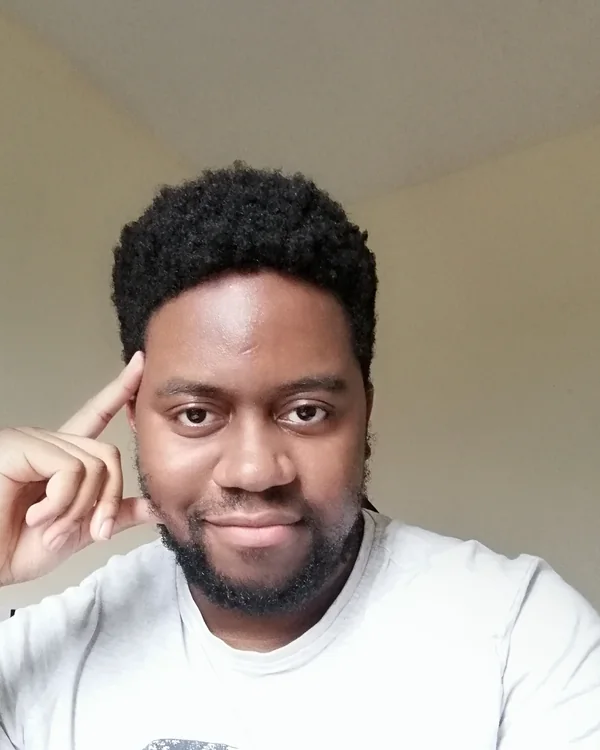
Alright, it’s the same guy. The contractors are real, though — over ten years there have been a lot of them, and they did a lot of the good bits.
* Don’t you ever, ever call me Dave. You will regret it.